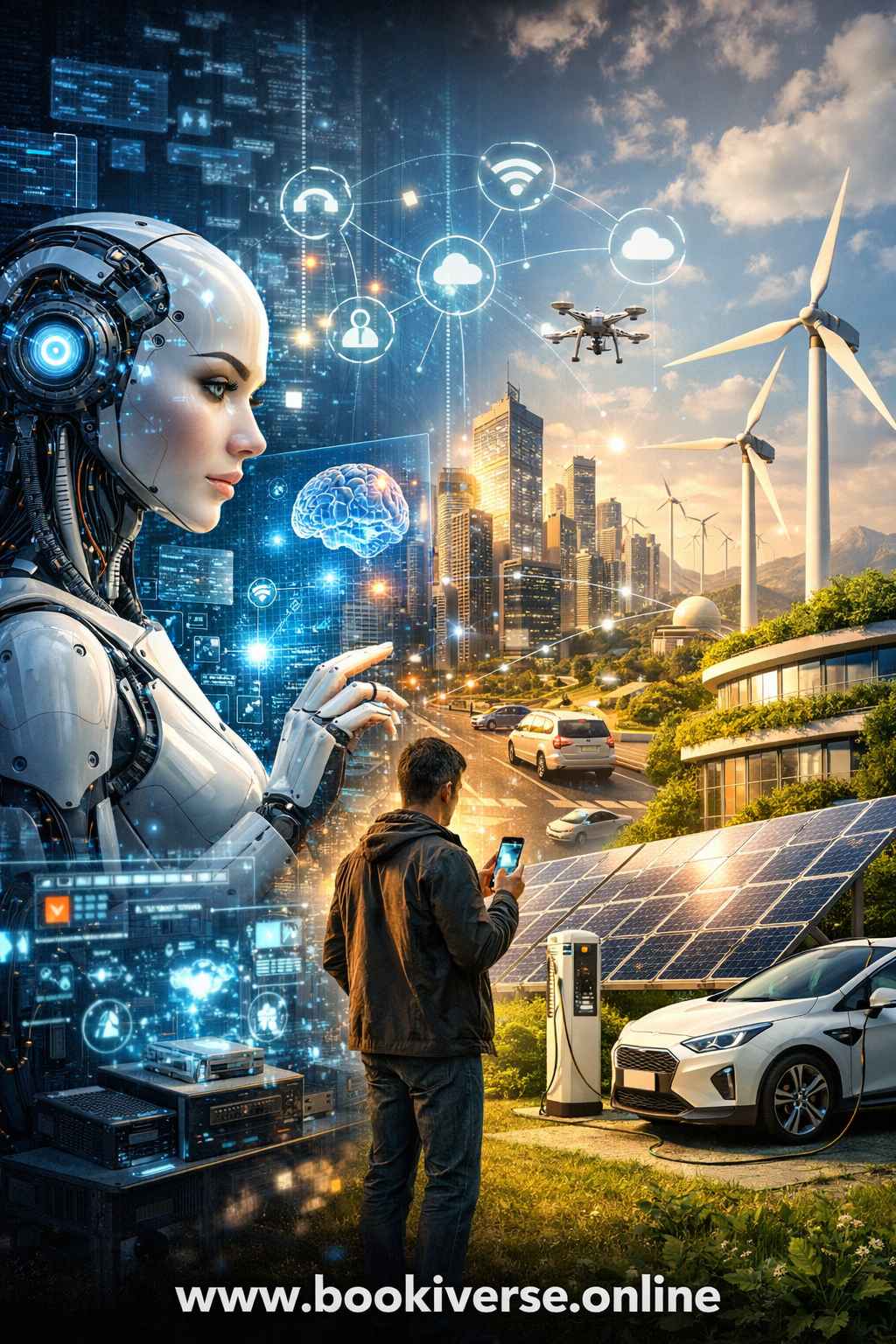
The Dominant Tech Trends Shaping Our Future
The relentless pace of technological innovation continues to reshape industries, societies, and our daily interactions in ways that were once the exclusive domain of science fiction. As we navigate this era of unprecedented change, several key trends have emerged as the dominant forces driving this transformation. Understanding these developments is not merely an academic exercise; it is essential for comprehending the future of work, communication, and human experience itself. Three of the most influential trends currently converging are Generative Artificial Intelligence, the expansion of the Internet of Things (IoT), and the push towards sustainable technology.
1. Generative AI: The Creative Machine
Perhaps the most disruptive trend is the rapid advancement of Generative AI. Unlike traditional AI, which is primarily analytical, generative models are capable of creating novel content, from sophisticated text and computer code to photorealistic images and original music. This technology is underpinned by complex neural networks, known as large language models (LLMs), which have been trained on vast datasets of human-created content. The implications are profound. On one hand, Generative AI promises to democratize creativity and supercharge productivity, acting as a powerful assistant for writers, artists, and programmers. On the other hand, it raises urgent ethical questions regarding intellectual property, the potential for widespread misinformation, and the very definition of human creativity.
2. The Internet of Things (IoT): A Connected World
The Internet of Things refers to the ever-expanding network of physical objects embedded with sensors, software, and other technologies that connect and exchange data over the internet. This trend is quietly transforming our environments into smart, responsive ecosystems. In our homes, IoT devices range from smart thermostats that learn our preferences to refrigerators that can order groceries. In cities, IoT sensors are being deployed to manage traffic flow, monitor air quality, and optimize energy consumption, leading to the concept of the "smart city." While the convenience and efficiency gains are undeniable, the proliferation of these connected devices creates significant vulnerabilities. Each device is a potential entry point for cyberattacks, and the enormous volume of personal data they collect raises substantial privacy concerns that society is only beginning to address.
3. Sustainable Technology: The Green Imperative
As the global climate crisis intensifies, there is a growing imperative to align technological progress with environmental sustainability. This has given rise to "green tech," a sector focused on developing technologies that reduce negative environmental impacts. This trend manifests in various forms, from renewable energy sources like advanced solar panels and wind turbines to innovations in energy efficiency and the circular economy. For example, companies are using AI to optimize supply chains, reducing fuel consumption and waste. New materials are being developed to create biodegradable electronics, tackling the growing problem of e-waste. This shift is not purely altruistic; consumers and investors are increasingly demanding that corporations demonstrate genuine environmental responsibility, making sustainability a crucial component of long-term business strategy.